
Paris Mayor Pledges Bold Steps to Reduce Traffic in City Center

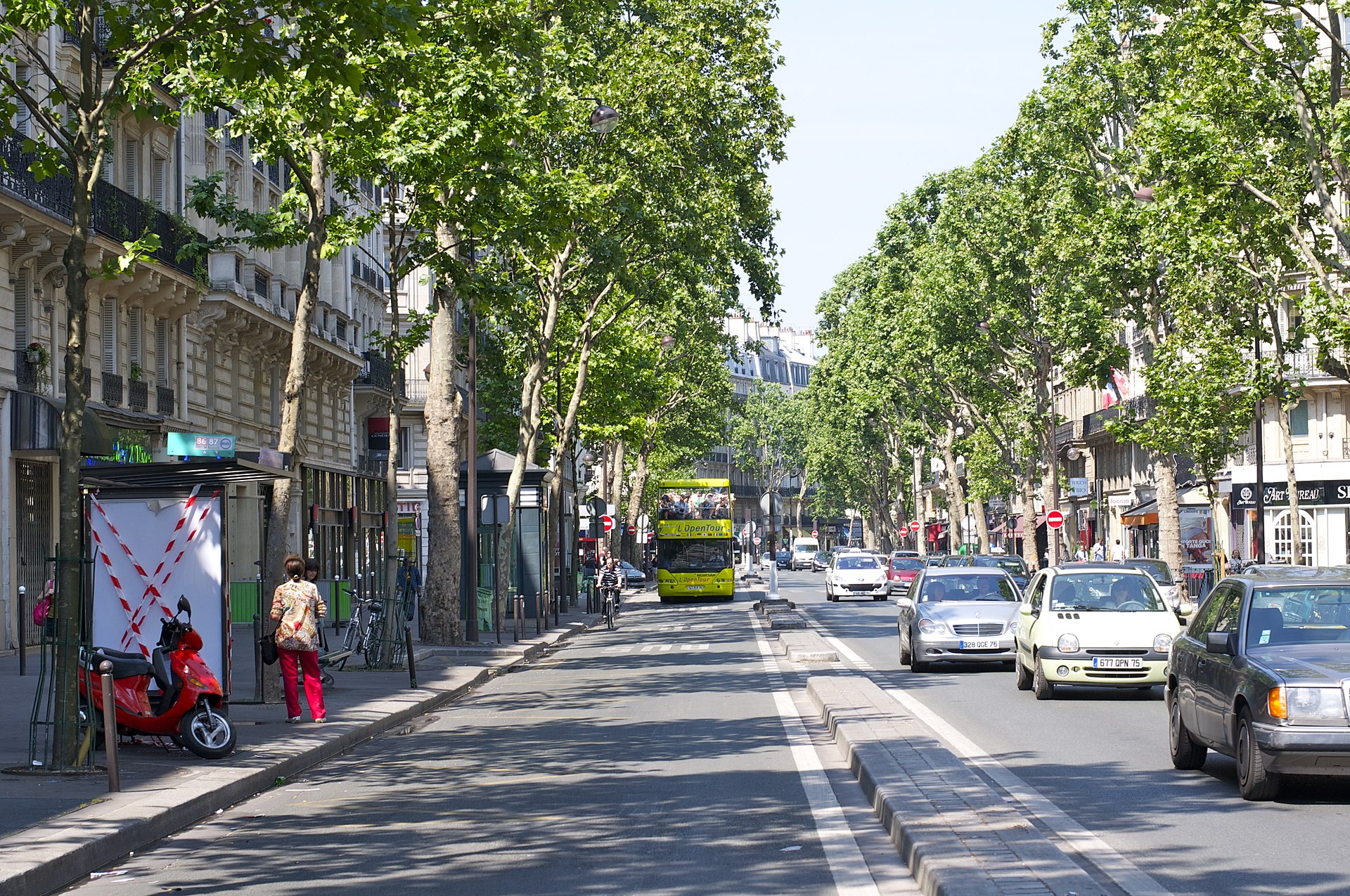
After a decade of repurposing street space from cars to people, buses, and bikes, Paris isn’t done yet. The world’s most-visited city is now preparing to remove even more traffic from the streets in the name of walkability and clean air.
Paris Mayor Anne Hidalgo told the Journal du Dimanche this week that she intends to create four “semi-pedestrianized” zones near the city center. These areas would permit only bikes, taxis, buses, and cars driven by residents of the district. Delivery vehicles and emergency vehicles would also be given access, according to the Australian newspaper The Age.
Hidalgo said she plans to begin the policy of restricting through-traffic during weekends, with the goal of ramping it up to a full-time policy. The proposal closely resembles a traffic reduction plan for central Madrid.
Hidalgo also promised to double the number of bike lanes in the city by 2020, pledging €100 million (US$123 million) to the effort. In addition, the mayor said she hopes to ban diesel engine vehicles within the city by 2020 and limit traffic on the famous Champs Élysées to “green” vehicles only.
These steps are largely a continuation of the path blazed by former mayor Bertrand Delanoe, who created bus lanes on nearly avenue in the city, overhauled wide boulevards with new bikeways and pedestrian spaces, reclaimed the banks of the Seine from cars during the summer with Paris Plage, and launched the huge Velib bike-share system with its 20,000 bicycles.
Those steps cut traffic in the city by 20 percent between 2002 and 2008. According to Hidalgo, the shift away from cars has only become more impressive since then. You may want to take this stat with a grain of salt, but the current mayor says the city’s car ownership rate has dropped from 60 percent to 40 percent since 2011.

Read More:
Streetsblog has migrated to a new comment system. New commenters can register directly in the comments section of any article. Returning commenters: your previous comments and display name have been preserved, but you'll need to reclaim your account by clicking "Forgot your password?" on the sign-in form, entering your email, and following the verification link to set a new password — this is required because passwords could not be carried over during the migration. For questions, contact tips@streetsblog.org.


